- Details
-
Published: 10 July 2026
GN 22-Inch Decanter Centrifuge Deployed for African Tank Bottom Oily Sludge Remediation
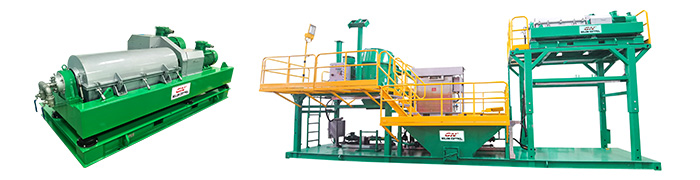
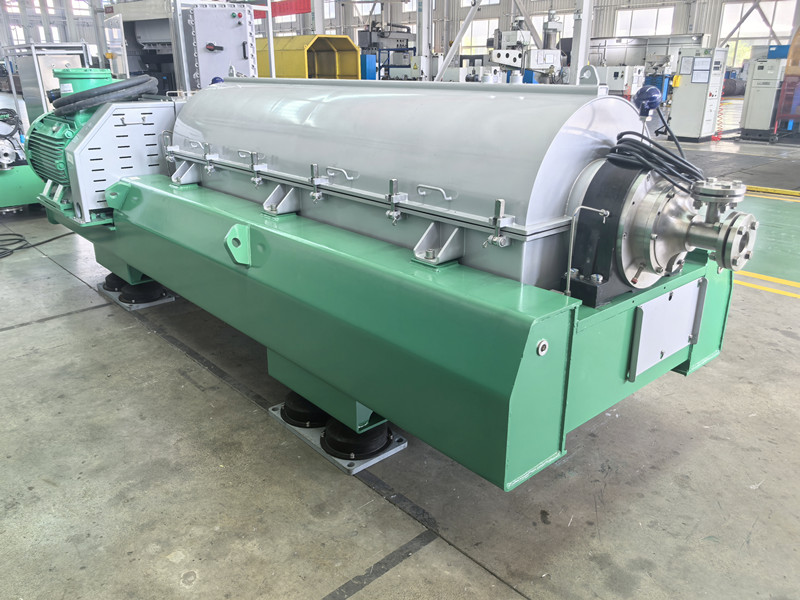
GN Separation has fully completed the manufacturing and factory acceptance testing of the GNLW554-VFD decanter centrifuge, which is slated for delivery to an African oil and gas client. Tailored for tank bottom oily sludge treatment, this advanced separation equipment will enable the customer to recover usable crude oil, cut waste discharge volume and enhance overall environmental compliance for on-site operations.
High-Performance Oily Sludge Separation Solution
The GNLW554-VFD is a core model of GN Separation’s 22-inch decanter centrifuge series, engineered for uninterrupted industrial solid-liquid separation. It delivers consistent, high-efficiency performance for rigorous processing scenarios, including oily sludge remediation, refinery waste treatment, drilling waste management and industrial wastewater purification.
Equipped with a variable frequency drive (VFD) system, the centrifuge features flexible and adjustable operational parameters. On-site operators can precisely regulate the bowl rotating speed and differential speed based on real-time feed sludge conditions, ensuring optimal separation results and stable long-term operation for diverse and complex sludge materials.
Optimized Working Principle for Tank Bottom Sludge Treatment
In standard tank bottom oily sludge treatment workflows, the decanter centrifuge is deployed as a core processing unit after sludge pre-treatment procedures such as dilution, heating and chemical conditioning. When pre-treated sludge enters the high-speed rotating bowl, powerful centrifugal force rapidly separates solid sediments from liquid phases.
The built-in screw conveyor continuously conveys separated solid impurities to the discharge outlet, while the purified liquid is discharged independently for subsequent oil recycling and further refinement. Adopting a fully continuous operating mode, the equipment maintains stable separation efficiency even when handling high-viscosity, complex oily sludge with fluctuating properties.
Core Advantages of Decanter Centrifuge Sludge Treatment Technology
Decanter centrifuge separation technology stands out in oily sludge remediation for its dual benefits of resource recovery and waste reduction. It effectively separates crude oil from solid sediments and water phases, maximizing the recovery of reusable oil resources. Meanwhile, it drastically reduces the volume of hazardous oily sludge, lowering subsequent transportation and harmless disposal costs, and minimizing the environmental footprint of oilfield waste.
Thanks to these prominent strengths, GN decanter centrifuges have become essential core equipment for modern oily sludge treatment systems, widely adopted by global oil producers and professional environmental service providers.
Customized Full-Set Sludge Treatment Solutions by GN Separation
Leveraging decades of professional experience in solid-liquid separation technology, GN Separation provides one-stop, turnkey solutions for oily sludge treatment. The complete system covers pre-treatment modules, chemical dosing units, two-phase decanter centrifuges, three-phase separation centrifuges, material transfer pumps and integrated modular processing systems.
Our professional engineering team can design and configure customized process schemes according to clients’ specific sludge properties, on-site working conditions and project treatment targets, ensuring tailored and efficient waste remediation solutions.
Market Expansion in Africa & Global Service Commitment
The upcoming shipment of the GNLW554-VFD decanter centrifuge marks another milestone in GN Separation’s layout of the African market. It further validates the company’s reliable equipment quality and professional service capabilities in the global oil and gas industry.
Moving forward, GN Separation will continue to iterate and upgrade high-efficiency, high-reliability separation technologies and equipment. We remain committed to helping global clients optimize operational efficiency, maximize resource utilization, and meet increasingly stringent international environmental protection standards.